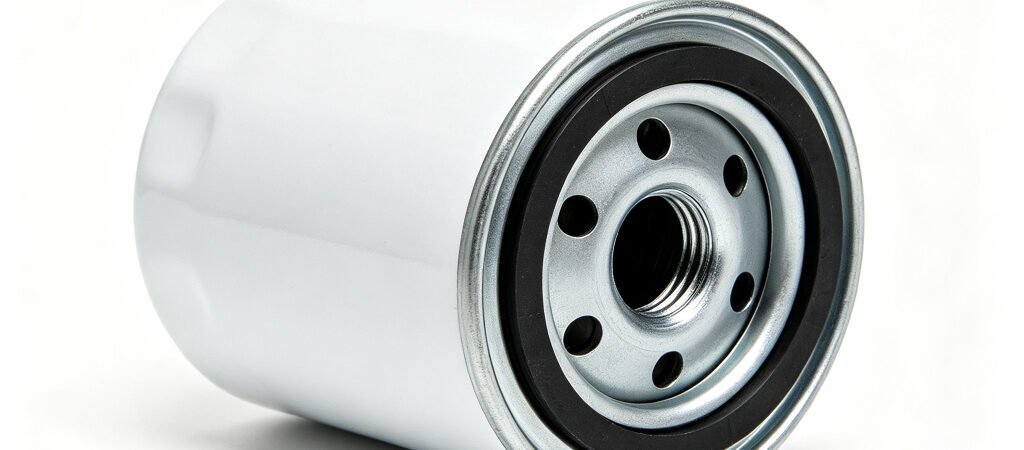
Why Diesel Fuel Filter Replacement Timing Matters
The diesel fuel filter is the last line of defence between the tank and the high-pressure fuel system. On modern common-rail engines, injection pressures reach 2,000 bar or more, and the injectors have clearances measured in microns. Water, wax, algae and particulates that reach the injectors cause scoring, dribble, poor atomisation and — eventually — expensive injector replacement.
Replacing the fuel filter on schedule is one of the lowest-cost insurance policies in fleet maintenance. A filter that costs a few dollars protects injectors that cost hundreds.
How Often Should You Replace a Diesel Fuel Filter?
Manufacturer intervals vary, but common guidance for commercial vehicles is:
- Every 30,000–50,000 km for most truck and bus applications
- Once per year, even at low mileage, because diesel fuel degrades and can grow microbial contamination
- Every 500 hours or per the OEM schedule for off-highway and generator applications
- After any fuel-quality incident — contaminated fuel, water in the tank, or a blocked filter warning
Operators in regions with known fuel-quality issues, high humidity or extreme cold should shorten these intervals rather than extend them.
Warning Signs of a Clogged or Water-Loaded Filter
Train workshop staff to recognise these early signs:
- Hard starting or extended cranking
- Loss of power and poor acceleration under load
- Engine misfire or rough idle, especially after standing
- Water-in-fuel warning light on the dashboard
- Fuel starvation at high RPM
Ignoring these signs risks drawing water and contamination into the injection pump and injectors.
How to Confirm the Right Replacement Filter
Diesel fuel filters are matched by three specifications:
- Thread and seal — for spin-on designs, the thread size and seal diameter must match the filter head
- Filtration rating — micron rating suited to the engine’s injection system
- Water separation — the filter must meet the OEM water-separation requirement for the application
The most reliable route is the OEM part number from the old filter. If the number is unreadable, provide the vehicle make, model and engine code, and we will confirm the specification before production.
WIRES Diesel Fuel Filters
WIRES supplies spin-on diesel fuel filters for trucks, buses, agricultural and construction machinery, with OEM cross-reference support and made-to-order production. See a representative product such as the CX-001 diesel fuel filter for the specification format. Our documentation section includes further maintenance guidance and technical data on request.
Frequently Asked Questions
Can a diesel fuel filter last longer than the OEM interval?
Only if the vehicle operates in unusually clean conditions and fuel quality is consistently high — and even then, the water-separation and media condition should be checked. Extending intervals is not recommended for modern common-rail engines.
What happens if I run a water-loaded filter?
Water passes to the injection system, causing corrosion, injector damage and, in cold weather, ice blockages. A water-in-fuel warning is a reason to stop and drain/replace immediately.
Do I need to prime the system after changing the filter?
Most systems need priming after filter replacement to remove air from the fuel line. Follow the vehicle’s service manual; some systems self-prime.
How do I order the right filter for my fleet?
Send the OEM part numbers from your current filters. We verify the match against our cross-reference database and confirm before production — request a quote and our team will respond within one business day.