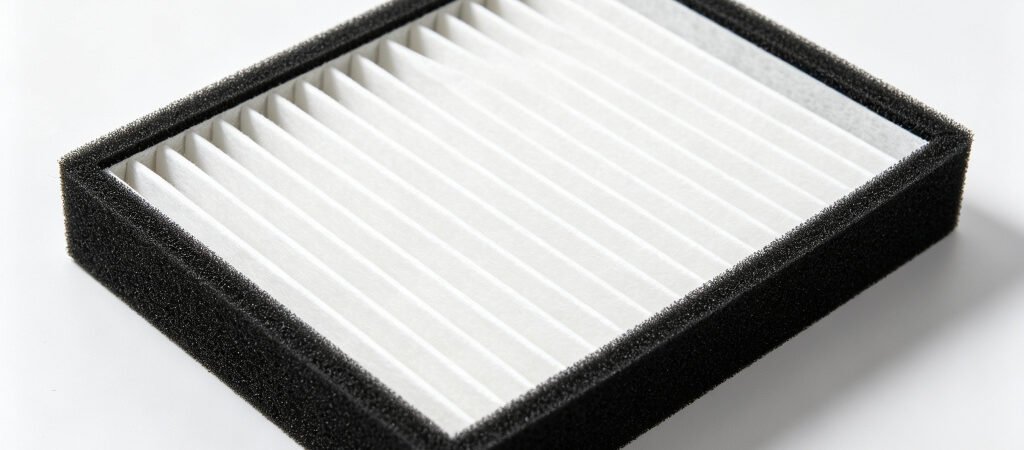
Why Cabin Air Filters Matter for Commercial Vehicles
For trucks, buses and delivery fleets, the cabin air filter is one of the most frequently overlooked maintenance items. It sits between the outside air intake and the vehicle’s HVAC system, removing dust, pollen, soot and road pollutants before air reaches the cab. A clean cabin filter keeps the driver comfortable, protects the HVAC evaporator from clogging, and reduces the risk of windshield fogging on long hauls.
Unlike engine air filters, cabin filters do not protect the powertrain — which is exactly why they are easy to skip. But a blocked filter forces the blower to work harder, increases fuel consumption from auxiliary load, and can push unfiltered air past the filter frame in extreme cases. For operators running vehicles day and night, scheduled replacement is a low-cost way to protect driver health and HVAC components.
Replacement Intervals: What the Service Schedules Say
There is no single universal interval, but most commercial vehicle manufacturers recommend replacing the cabin air filter every 15,000 to 25,000 km or once per year, whichever comes first. In practice the right interval depends on three factors:
- Operating environment — construction sites, unpaved roads, agricultural areas and desert routes load the filter 2–3 times faster than highway driving.
- Season — high pollen seasons and heavy dust storms require shorter intervals.
- HVAC usage — vehicles running air conditioning most of the year cycle more air through the filter.
A common rule used by fleet maintenance teams is to replace the cabin filter at every third engine oil change. If the vehicle operates in dusty conditions, move it to every second oil change.
Warning Signs That the Filter Needs Attention
Train drivers and workshop staff to recognise these signs of a clogged or exhausted cabin filter:
- Reduced airflow from the vents even at maximum fan speed
- Unusual odours (musty, diesel, exhaust) entering the cab
- Persistent windshield fogging that demisting cannot clear
- Whistling or increased blower noise from the intake area
- Visible dirt, leaves or soot on the filter face during inspection
Any of these signs is a reason to inspect the filter immediately rather than waiting for the scheduled interval.
Choosing the Right Cabin Air Filter
Commercial cabin filters are matched by three things: dimensions (length, width, thickness), frame type (including any sealing gasket) and filter media. The most reliable way to confirm fitment is to use the OEM part number printed on the old filter or the vehicle service catalogue.
Two media options are common:
- Standard particulate filters — trap dust, pollen and soot; suitable for most fleets at the lowest cost.
- Activated carbon (charcoal) filters — add odour and gas adsorption for drivers working in urban traffic or near industrial areas.
If only a part number is available and the vehicle make and model are unknown, send the number to our team — we confirm the match against our cross-reference database before any order is produced.
WIRES Cabin Air Filters for Fleet Operators
WIRES supplies cabin air filters for trucks, buses and construction vehicles, with OEM cross-reference support for major European, American and Asian vehicle lines. Every filter is manufactured and tested in-house under a controlled quality system, and orders are produced to match your part number and application. Browse the cabin air filter range or see a representative product such as the AAFF-000077 cabin air filter for the specification format we provide.
For vehicles operating in high-dust or high-pollution environments, we can advise on media upgrades and shorter replacement cycles based on your duty cycle.
Frequently Asked Questions
How often should a truck cabin air filter be replaced?
Most manufacturers recommend 15,000–25,000 km or once a year. Reduce the interval in dusty, construction or agricultural environments.
Can a clogged cabin air filter affect fuel consumption?
Indirectly, yes. The HVAC blower draws more current and the system works harder, adding auxiliary load. It also accelerates evaporator fouling, which reduces cooling efficiency.
What is the difference between particulate and activated carbon cabin filters?
Particulate filters trap solid particles. Activated carbon filters additionally adsorb odours and gaseous pollutants, which is useful for urban and industrial driving.
How do I confirm the right cabin filter for my vehicle?
Use the OEM part number from the old filter or service catalogue. If you only have the vehicle model, contact us and we will verify the match before production. See our maintenance documentation for more guidance.
Request a Quotation
Planning a cabin filter programme for your fleet? Send us your vehicle list or OEM part numbers and we will confirm fitment and reply with a proforma quotation — made to order, payment by T/T. Request a quote and our team will respond within one business day.